Content Writing Job Description: Guide for Content Writers
Published: 4 Jun 2026
Have you ever looked at a content writer job post and wondered, “What will I actually do every day?” Many beginners see content writing jobs online, but they struggle to understand the responsibilities, skills, and requirements. Some apply for jobs without knowing what employers expect, while others miss good opportunities because they feel unsure about their abilities.
If you searched for a content writing job description, you are probably looking for clear answers before applying for a job. In this guide, you will learn what content writers do, what employers expect, and how you can get started in this field.
What Is a Content Writer Job?
A content writing job means focusing on creating useful, engaging, and easy-to-read content for a specific audience. Companies hire content writers to share information, attract customers, and support their marketing goals.
The exact duties may vary, but the main purpose stays the same: to produce content that helps readers and meets business needs.
Content Writer Job Description Explained
A content writer job description explains what a company expects from a content writer. It outlines the writer’s duties, required skills, qualifications, and daily tasks.
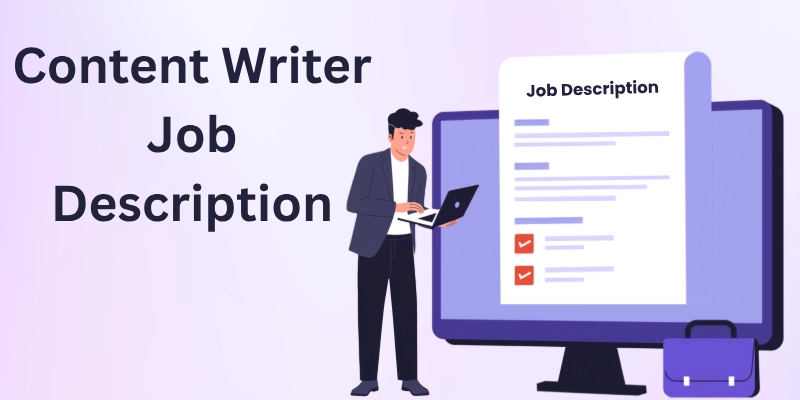
Employers use it to find suitable candidates, while job seekers use it to understand whether the role matches their abilities and career goals.
Roles and Responsibilities in Content Writing Jobs
A content writer handles much more than writing words on a page. The role requires planning, research, organization, and attention to detail. Companies expect content writers to create useful content that informs readers and supports business goals.
The exact responsibilities can vary by company and industry. However, most content writing jobs include a set of common duties that writers perform regularly.
- Researching Topics: Gather accurate information before writing about a subject.
- Understanding the Target Audience: Create content that matches readers’ interests and needs.
- Writing Blog Posts: Produce informative articles that answer questions and provide value.
- Website Content: Write clear content for homepages, service pages, and landing pages.
- Product Descriptions: Explain product features and benefits in a simple way.
- Content Briefs: Meet the requirements and goals provided by clients or employers.
- Use of Keywords Naturally: Include relevant keywords without affecting readability.
- Fact-Checking Information: Verify details to maintain accuracy and credibility.
- Edit Content: Improve sentence structure, clarity, and overall flow.
- Proofreading for Errors: Remove grammar, spelling, and punctuation mistakes.
- Formatting Content: Use headings, lists, and spacing to improve readability.
- Maintaining Brand Voice: Follow the writing style and tone of the business.
- Meeting Deadlines: Complete assignments within the required timeframe.
- Update Old Content: Refresh older articles with new information when needed.
- Collaboration With Team Members: Work with editors, marketers, and project managers on content projects.
- SEO Best Practices: Help content perform better in search engine results.
- Multiple Projects: Handle different writing tasks without missing deadlines.
- Original Content: Produce unique work and avoid copied material.
- Industry Trends: Stay informed about changes within the niche or market.
- Content Goals: Focus on the objectives set for each content project.
These responsibilities show what content writers do on the job. But performing these tasks well requires more than effort alone. The right skills help writers create better content, work efficiently, and stand out in a competitive market.
Skills Required for Content Writing Jobs
Strong writing alone is not enough to succeed in content writing. Employers look for people who can research topics, communicate clearly, and create content that serves a purpose. These skills help writers produce high-quality work and handle different types of projects.
The good news is that most content writing skills can improve with practice. The more you write and learn, the stronger these skills become.
- Writing Skills: Create clear, engaging, and easy-to-understand content.
- Grammar and Spelling: Write error-free content that looks professional.
- Research Skills: Find accurate information from reliable sources.
- SEO Knowledge: Understand how to optimize content for search engines.
- Creativity: Present ideas in a fresh and interesting way.
- Communication Skills: Share information clearly with readers and team members.
- Editing Skills: Improve content by fixing weak sentences and unclear sections.
- Proofreading Skills: Catch grammar, spelling, and punctuation mistakes before publishing.
- Time Management: Complete writing projects within deadlines.
- Attention to Detail: Notice small errors and maintain content quality.
- Adaptability: Adjust writing style for different audiences and industries.
- Critical Thinking: Analyze information and present useful insights.
- Organization Skills: Structure content in a logical and easy-to-follow format.
- Keyword Research: Identify search terms that people use online.
- Audience Understanding: Create content that matches readers’ interests and needs.
- Fact-Checking: Verify information before including it in content.
- Content Formatting: Use headings, lists, and spacing to improve readability.
- Problem-Solving: Find solutions when content challenges arise.
- Self-Discipline: Stay productive and focused, especially during remote work.
- Learning Ability: Keep up with industry changes and new writing trends.
Having these skills can help you perform the job well, but employers also want to know if you meet their basic hiring requirements.
Before applying, it is important to understand the qualifications and expectations that often appear in content writer job listings.
Content Writer Job Qualifications and Requirements
Before applying, it helps to know what qualifications and basic requirements companies usually ask for. This makes your job search easier and more focused.
- Basic Education: A minimum of an intermediate or bachelor’s degree in any field helps in most jobs.
- Strong Language Skills: Ability to read and write clearly in English or the required language.
- Writing Practice: Some experience in writing blogs, articles, or short content pieces.
- Portfolio Samples: Collection of your written work to show your skills to employers.
- SEO Basics: Knowledge of how search engines work and how content ranks.
- Good Grammar Knowledge: Ability to write without basic spelling or grammar mistakes.
- Research Ability: The skill to collect correct information before writing content.
- Computer Skills: Basic use of MS Word, Google Docs, or content platforms.
- Internet Knowledge: Ability to find reliable sources and work online smoothly.
- Fresh or Entry-Level Friendly: Many companies accept beginners with no job experience.
- Ability to Follow Instructions: Capacity to understand and follow content guidelines properly.
- Consistency in Writing: Ability to maintain quality across different topics.
- Creativity in Writing: The skill to present ideas in a simple and engaging way.
- Time Availability: Ability to complete tasks within deadlines.
- Willingness to Learn: Interest in improving writing and learning new techniques.
Meeting the qualifications can help you land a content writing job, but many people want to know one thing before they start.
How much can a content writer actually earn? Let’s look at the salary ranges and the factors that affect income in this field.
Content Writer Jobs Salary
The salary of a content writer is not fixed. Some work full-time for companies, while others earn through freelance projects, agencies, or personal clients. The factors below can have a direct impact on income.
- Entry-Level Salary: Beginners usually earn less while building experience and writing samples.
- Mid-Level Salary: Writers with proven skills often receive higher and more stable pay.
- Senior Content Writer Salary: Experienced professionals can command premium rates for their expertise.
- Freelance Earnings: Income depends on project rates, client quality, and workload.
- Location: Salaries can differ from one country or region to another.
- Industry: Specialized industries often pay more than general content writing niches.
- Writing Skills: Strong writing ability can lead to better-paying opportunities.
- SEO Knowledge: Writers who understand SEO often earn higher rates.
- Portfolio Quality: A strong portfolio helps attract better clients and employers.
- Work Experience: More experience usually increases earning potential.
- Content Type: Technical, financial, or specialized content may pay more than standard articles.
- Client Budget: Different clients have different payment ranges.
- Project Complexity: Detailed and research-heavy projects often offer higher compensation.
- Employment Type: Full-time, part-time, contract, and freelance roles can have different pay structures.
- Productivity Level: Writers who manage projects efficiently may earn more over time.
- Professional Reputation: Positive reviews and a strong track record can improve earning opportunities.
Salary potential is important, but earning starts with finding the right opportunities. The good news is that many websites connect content writers with employers and clients every day. Let’s explore some of the best platforms where you can find content writing jobs.
Best Platforms for Content Writing Jobs
Many websites connect writers with businesses, agencies, and clients looking for content services. Whether you are a beginner or an experienced writer, these platforms can help you discover new opportunities.
Each platform works differently, so it is worth exploring a few options. Building a strong profile and applying consistently can improve your chances of getting hired.
- Upwork: A freelance marketplace where writers can bid on content writing projects.
- Fiverr: A platform that allows writers to offer content writing services through custom gigs.
- LinkedIn: A professional network where companies post content writing jobs and freelance opportunities.
- Indeed: A popular job board that lists full-time, part-time, and remote writing positions.
- PeoplePerHour: A freelance platform that connects writers with clients from different industries.
- Freelancer: A website where writers can compete for projects by submitting proposals.
- ProBlogger Job Board: A job board focused on blogging and content writing opportunities.
- FlexJobs: A platform that specializes in remote and flexible work opportunities.
- Contently: A network that helps experienced writers connect with brands and publishers.
- WriterAccess: A content platform that matches writers with businesses needing written content.
- Guru: A freelance marketplace offering content writing and editing projects.
- SimplyHired: A job search website that gathers writing jobs from multiple sources.
- Glassdoor: A platform that combines job listings with company reviews and salary insights.
- Remote.co: A website dedicated to remote jobs, including content writing roles.
- We Work Remotely: A remote job board featuring writing and content-related positions.
Content writing offers opportunities in many industries, which means there is no single path to success. Before we wrap up, let’s review the most important points you should remember.
Conclusion
A clear content writing job description gives you a complete picture of what employers expect from content writers. From creating useful content to meeting deadlines and understanding audience needs, this role requires a mix of writing ability and professional responsibility.
The better you understand the job, the easier it becomes to prepare for opportunities in this field. My recommendation is to focus on steady growth instead of quick results. Many new writers worry about low starting pay or limited experience, but these challenges often improve with practice and persistence.
Creating quality samples, learning new skills, and applying regularly can help you overcome common obstacles and build a stronger career. Thank you for exploring this content writing jobs description guide and I wish you success in whatever path you choose next.
FAQs
The answers below cover some common concerns that many beginners have before starting their content writing job.
A content writing job description explains the duties, skills, and requirements of a content writer. It helps employers attract suitable candidates and helps job seekers understand the role. Most job descriptions also include responsibilities, qualifications, and salary information.
A content writer researches topics, writes content, and edits drafts before submission. Daily tasks may include creating blog posts, website content, or product descriptions. The exact workload depends on the company and industry.
Most content writing jobs require strong writing, grammar, and research skills. Basic SEO knowledge and time management skills are also valuable. These abilities help writers create useful and well-structured content.
Yes, many entry-level content writing jobs welcome beginners. Employers often look for writing ability and willingness to learn rather than extensive experience. A small portfolio can improve your chances of getting hired.
A degree can be helpful, but many content writing jobs do not require one. Employers often focus more on writing samples and practical skills. A strong portfolio can sometimes matter more than formal education.
Remote content writing jobs are available on freelance marketplaces and job boards. Many companies also hire writers directly through their websites. Building an online portfolio can help you find more opportunities.
Start by creating a few writing samples on different topics. Build a simple portfolio and apply for beginner-friendly content writing jobs. Regular practice and consistent application can help you secure your first opportunity.
Yes, SEO plays an important role in many content writing jobs. It helps content appear in search engine results and reach more readers. Learning basic SEO can improve your job opportunities and earning potential.
Content writers often use tools like Google Docs, MS Word, and Grammarly for writing and editing. Some also use keyword research tools for SEO-based content. These tools help improve writing quality and speed up the work process.
You can build a portfolio by writing sample articles on different topics. Publish them on free platforms like Medium or Google Docs links. A strong portfolio shows your writing skills to potential employers and clients.



- Be Respectful
- Stay Relevant
- Stay Positive
- True Feedback
- Encourage Discussion
- Avoid Spamming
- No Fake News
- Don't Copy-Paste
- No Personal Attacks
- Be Respectful
- Stay Relevant
- Stay Positive
- True Feedback
- Encourage Discussion
- Avoid Spamming
- No Fake News
- Don't Copy-Paste
- No Personal Attacks
