Importance of Digital Skills and How to Use Them in Daily Life
Published: 16 Feb 2026
You try to learn new things, but you feel lost because everything is online now. Employers expect digital skills. Clients expect online skills. Even daily tasks require digital skills.
Many people struggle with this until they learn basic tools, platforms, and workflow systems. That is when the importance of digital skills becomes clear for income, growth, and independence. These skills reduce stress and open new doors for better work.
The digital world does not wait for anyone, and the gap keeps getting wider every year. This is why digital skills matter for anyone who wants stability and better opportunities in the future.
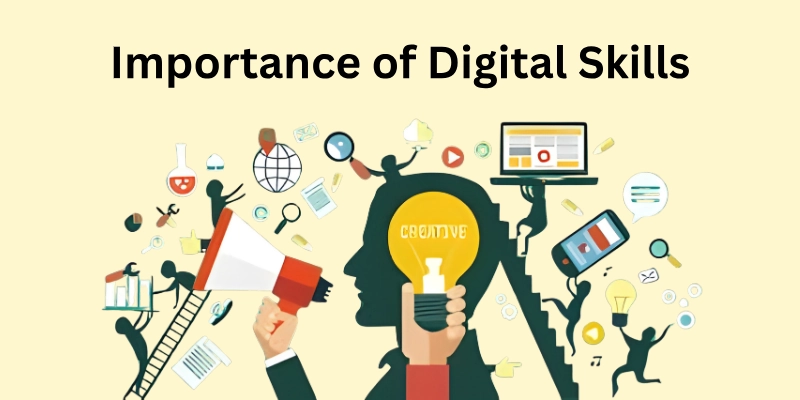
Why Digital Skills are Important?
Digital skills’ importance helps individuals adapt to change rather than fall behind. It supports everyone from students to adults to entrepreneurs, which shows its importance. Now it’s time to focus on what is important.
- Job Opportunities
- Career
- Remote Work
- Entrepreneurship
- Small Businesses
- Business Operations
- Education
- Problem-Solving
- Non-Tech Users
- Daily Life & Productivity
How is it possible that it is important in these? For this, let’s see the details
1. Job Opportunities
Strong digital skills make candidates more attractive to employers and increase their chances of getting hired. The value of digital skills for the workplace shows that you can handle tasks confidently and efficiently.
- Use office tools like spreadsheets, presentations, and documents.
- Communicate professionally through email, chat, and video calls.
- Explore workplace digital skill examples, such as collaboration apps and project management software, to stand out.
2. Career
Employees with digital skills complete tasks faster and improve team productivity. Digital skills for adults help workers adapt to new software and grow in their careers.
- Track work progress using online dashboards.
- Collaborate with colleagues on shared projects.
- Quickly learn new platforms to meet workplace demands.
3. Remote Work
Digital skills allow people to work from home or offer freelance services globally. Digital skills for daily life help manage schedules, payments, and projects efficiently.
- Stay organized with task management apps.
- Communicate clearly with clients via messaging and video calls.
- Handle payments and invoices safely online.
4. Entrepreneurship
Entrepreneurs can expand their reach using digital tools. Digital skills for entrepreneurs help plan, market, and grow businesses effectively.
- Research competitors and customers online.
- Promote products through social media and ads.
- Analyze data to make smart business decisions.
5. Small Businesses
Small businesses can compete with larger brands using technology. Digital skills for small businesses help manage operations and reach more customers.
- Accept online payments and track transactions digitally.
- Run small social media marketing campaigns.
- Organize inventory, orders, and deliveries efficiently.
6. Business Operations
Digital skills make processes smoother and improve customer satisfaction. Digital skills in business operations help companies save time and reduce mistakes.
- Use tools to track sales, stock, and customer requests.
- Automate repetitive tasks to increase accuracy
- Monitor performance and feedback for quick improvements.
7. Education
Students and teachers rely on digital tools to learn and teach effectively. Digital skills in education prepare learners for careers and make learning interactive.
- Conduct research and complete assignments online.
- Collaborate with classmates on shared projects.
- Apply digital skills in schools to use learning platforms, online classes, and group projects efficiently.
8. Problem-Solving
Digital skills encourage creative thinking and smart solutions. Digital skills in the modern workplace help workers find better ways to complete tasks.
- Use software and apps to experiment with ideas.
- Collaborate with teams to solve challenges quickly.
- Analyze data to make informed decisions.
9. Non-Tech Users
Even people without tech backgrounds can perform tasks efficiently. Digital skills for non-tech people help navigate online tools without fear or confusion.
- Learn simple apps for banking, shopping, and personal planning.
- Communicate effectively through messaging and video calls.
- Use digital platforms for small work or side projects.
10. Daily Life & Productivity
Digital skills make daily tasks faster and more organized, which helps improve personal productivity at home and at work.
- Manage schedules, tasks, and reminders digitally.
- Use online tools to track finances or health needs.
- Access resources quickly to solve daily challenges.
You have seen how digital skill value can transform work, learning, and business. Now let’s dig into the pros and cons of digital skills, so you know exactly how to use them for success. That’s why we will break down its benefits and drawbacks.
Key Advantages of Digital Skills
Digital skills are no longer just “nice to have.” They shape careers, businesses, and daily life in ways you might not even notice. Here are the most important advantages you need to know:
- Employers hire faster when you can use digital tools confidently.
- Digital skills let you work remotely or freelance from anywhere.
- Entrepreneurs grow brands and reach customers using online tools.
- Tasks get done faster and with fewer mistakes.
- Digital skills help you think creatively and find smart solutions.
- Digital tools let you share ideas instantly with anyone, anywhere.
- Online courses and tutorials make skill-building easier.
- Teams can work together on shared projects with ease.
- Software and apps help you design, write, or create efficiently.
- Digital skills open doors to international jobs and clients.
Even though digital skills are essential and have pros, there are challenges to consider. Understanding downsides helps you prepare and avoid mistakes.
Disadvantages of Digital Skills (Challenges)
Digital skills can change your life, but they are not all sunshine. Let’s explore the real challenges we need to know to stay ahead.
- Relying too much on tools can reduce independent problem-solving.
- Technology changes fast, so skills need constant updating.
- Online work exposes personal and business data to threats.
- Not everyone has equal access to devices, the internet, or training.
- Excessive online work and notifications can cause stress and fatigue.
- Spending long hours online can strain eyes and reduce focus.
- Too much online content can make decision-making harder.
- Some software, devices, or subscriptions require extra investment.
- Rapid tech changes leave some workers behind.
- Poor connectivity can disrupt work or learning completely.
The pros are exciting, the cons are real, but the most important lesson about digital skills comes next. Read the end.
Conclusion
Grasping the importance of digital skills means realizing both the potential and the pitfalls. And it is clear that they make daily tasks easier, open doors to better jobs, and give confidence in using technology. Everyone can benefit by improving these skills, no matter their age or experience. Taking steps to learn them today will pay off tomorrow.
Everyone can succeed in a modern, connected world. From my experience, focus on improving your digital skills regularly, because digital skills grow every day, and learning them now will make life and work much easier tomorrow. You can get more information by visiting the FAQs section.
FAQs
These FAQs answer the most common doubts about digital skills.
Digital skills help beginners navigate modern tools, apps, and online platforms confidently. They make learning, work, and communication smoother. Without these skills, even simple online tasks can feel confusing and time-consuming.
Employers look for candidates who can handle digital tools efficiently. Learning key skills can make someone stand out in interviews and promotions. Mastering basic software and online communication platforms increases employability.
The importance of education technology lies in making learning interactive, fun, and accessible. Students can access resources online, complete projects faster, and collaborate easily. Digital skills help them make the most of these tools in classrooms and virtual learning environments.
Remote work requires skills like managing online tools, communicating digitally, and organizing tasks efficiently. Video calls, emails, and task management apps are essential. Digital skills help people stay productive even without being in an office.
Small businesses can reach more customers through online marketing, digital payments, and social media. Digital skills help owners manage operations, track sales, and grow their brand. Learning basic online tools saves time and reduces errors.
The important thing is to depend on goals: using reliable apps, understanding digital safety, and practicing essential skills are key. Students should focus on tools that support learning rather than distractions. Consistent use builds confidence and efficiency.
Students need digital skills to prepare for future work, research, and online collaboration. Digital skills make it easier to complete assignments and explore knowledge independently. They also boost confidence in navigating new tools and platforms.
Digital skills are needed today because almost every job, school task, and business relies on technology. They save time, improve productivity, and open new opportunities for growth. Without these skills, staying competitive in the modern world becomes difficult.





- Be Respectful
- Stay Relevant
- Stay Positive
- True Feedback
- Encourage Discussion
- Avoid Spamming
- No Fake News
- Don't Copy-Paste
- No Personal Attacks
- Be Respectful
- Stay Relevant
- Stay Positive
- True Feedback
- Encourage Discussion
- Avoid Spamming
- No Fake News
- Don't Copy-Paste
- No Personal Attacks
