Scope of Graphic Designing: What You Can Achieve in this Year
Published: 19 Feb 2026
Do you know that recent results show digital content demand grew over 25 percent in the last two years? Brands and creators now invest more in visuals to catch attention and sell products online. This trend expands the scope of graphic designing, which we will discuss in this article.
The scope pushes the skill into e-commerce, advertising, education, gaming, and social media industries. This shift is clear as clients increasingly ask for faster visuals instead of long text to explain ideas.
Scope of Graphic Designing
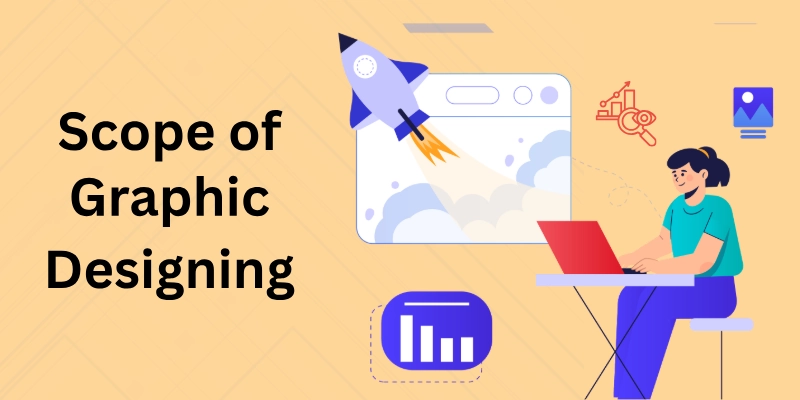
The scope of graphic designing covers a wide range of areas that solve business problems, drive engagement, and create earning opportunities. Each area has its own demand, tools, and growth potential.
- Logo & Brand Identity Design
- Print & Publication Design
- Web & UI/UX Design
- Motion & Animation Graphics
- Packaging Design
- Infographics & Data Visualization
- Social Media Design
- 3D & AR/VR Design
- E-Learning & Educational Graphics
- Personal Branding & Digital Content Design
These major areas broaden the scope of graphic design, but how? The answer is in detail. Let’s see.
1. Logo & Brand Identity Design
Logo and brand identity design shape how people see a business at first glance. It builds recognition, trust, and confidence for brands that want to stand out in a crowded market.
- Builds the first impression of a business.
- Includes logo, colour system, typography, and brand guidelines.
- Helps brands stand out in a crowded market.
- High demand from startups, e-commerce stores, agencies, and personal brands.
- Clients pay well for a strong brand identity that attracts customers.
2. Print & Publication Design
Print and publication design support offline communication for sales, education, and events. Businesses still rely on printed visuals to explain ideas and promote products effectively.
- Covers brochures, catalogues, books, magazines, flyers, and business cards.
- Used by education, advertising, events, and retail sectors.
- Digital printing keeps this area active for product packaging and promotions.
- Local markets depend on these assets for sales and awareness.
3. Web & UI/UX Design
Web and UI/UX design focuses on digital experiences across websites and mobile apps. It helps users navigate products easily and complete tasks without confusion.
- Designs websites, dashboards, apps, and landing pages.
- Improves user navigation and task completion.
- Demand grows as more businesses go digital.
- Offers strong earning potential in startups and product companies.
- Freelancers specializing in graphic designing in India find high-paying projects due to the growing startup ecosystem.
4. Motion & Animation Graphics
Motion graphics grab attention faster than static content, especially on social media. Brands use motion to explain ideas and sell products quickly.
- Covers reels, explainer videos, ads, intros, and transitions.
- Works well for marketing campaigns and online tutorials.
- Rising demand from YouTube creators, e-commerce brands, and educators.
- Provides high-paying opportunities for skilled animators.
5. Packaging Design
Packaging design shapes how products look in stores and online. It influences buying decisions by showing value, appeal, and quality.
- Controls the visual look on shelves and e-commerce platforms.
- Used in cosmetics, food, electronics, and lifestyle products.
- E-commerce growth drives demand for redesigns for better photos and conversions.
- Impacts marketing, branding, and user perception.
6. Infographics & Data Visualization
Infographics and data visualization simplify complex information so people understand it quickly. Businesses use visuals to make decisions and share insights effectively.
- Converts data into easy-to-understand visuals.
- Used in reports, research, media, health, and presentations.
- Helps audiences grasp patterns and results faster.
- Popular among content creators, media houses, and research firms.
7. Social Media Design
Social media design drives engagement and brand visibility online. Businesses pay for visuals that increase likes, shares, and conversions.
- Designs posts, stories, reels, and social ads.
- Optimizes visuals for Instagram, Facebook, TikTok, and LinkedIn.
- Supports influencer campaigns and brand marketing.
- High demand as brands compete for attention online.
8. 3D & AR/VR Design
3D and AR/VR design bring products and experiences to life in immersive environments. Companies use these visuals to attract attention and showcase innovation.
- Creates 3D product models, virtual showrooms, and interactive designs.
- Supports gaming, real estate, e-commerce, and marketing campaigns.
- The field is expanding due to digital reality apps and remote shopping trends.
- Offers high-paying opportunities for skilled designers.
- The growth of graphic designing in Pakistan shows huge potential for 3D and AR/VR designers.
9. E-Learning & Educational Graphics
Educational graphics make learning easier, faster, and more engaging. EdTech companies and online courses rely heavily on visuals to explain complex ideas.
- Designs slides, interactive lessons, illustrations, and infographics.
- Improves retention for online learners and students.
- High demand for online courses, tutoring platforms, and corporate training.
- Growing as e-learning expands globally.
- Platforms for graphic design in the UK increasingly hire designers for interactive learning content.
10. Personal Branding & Digital Content Design
Personal branding design helps professionals and creators stand out online. Strong visuals attract clients, followers, and business opportunities.
- Creates templates, banners, resumes, and social media kits.
- Supports influencers, entrepreneurs, and content creators.
- Focuses on consistency, aesthetics, and audience engagement.
- Trending as individuals now market themselves like brands.
This graphic design outlook shows strong growth as businesses and creators increasingly rely on visuals to communicate effectively. Ok, but in which industries and regions does the scope of graphic designing offer opportunities? Let’s Know
Graphic Designing Scope in Industries
Graphic designing now impacts almost every industry, helping businesses communicate, market, and sell effectively. Here is how different industries use it today:
- Advertising & Marketing Agencies: Create campaigns, banners, and social ads to attract customers.
- E-Commerce & Retail: Design product images, packaging, and website visuals for better sales.
- Technology & App Development: Build user interfaces, dashboards, and app designs to improve user experience.
- Education & E-Learning: Create illustrations, lessons, and infographics to make learning easier.
- Media & Publishing: Design magazines, newsletters, and digital content for clear communication.
- Entertainment & Gaming: Develop 2D/3D visuals, animation, and interactive graphics for games and videos.
- Healthcare & Pharma: Design reports, dashboards, and educational visuals to simplify medical data.
- Real Estate & Architecture: Produce 3D visualizations, posters, and digital tours to attract clients.
- Personal Branding & Freelancing: Create templates, portfolios, and social media visuals for individuals and influencers.
- Retail & Food Industry: Design menus, packaging, posters, and digital promotions to boost brand visibility.
After all of this, let’s look at the best graphic design courses to learn advanced graphic design skills that will impact the scope of graphic design.
Scope of Best Graphic Designing Course
Choosing the right graphic designing course helps you learn skills fast and earn quickly. Here are the top types of courses that professionals and beginners actively search for today.
- Graphic Fundamentals: Covers basics like colour, typography, layout, and design thinking.
- Adobe Photoshop: Focuses on photo editing, retouching, compositing, and creative effects.
- Adobe Illustrator: Teaches vector graphics, logo creation, icons, and illustration work.
- Figma & UI/UX Design Course: Guides you through user interface design, prototypes, and web layouts.
- Motion Graphics: Covers animation basics, kinetic typography, and video motion elements.
- Brand Identity and Logo Design Course: Teaches branding strategy, logo development, and real brand projects.
- Social Media Graphics Design: Focuses on posts, reels templates, banners, and platform optimization.
- 3D Graphics & Rendering Course: Introduces 3D modeling, texturing, and product visuals for modern design.
- Infographics & Data Visualization Training: Shows how to create visual data stories for reports, dashboards, and content.
- Freelancing & Portfolio Development Course: Helps you build a portfolio, find clients, and manage real projects.
These courses give the benefit of career opportunities in graphic designing from the start to expert levels. Now we have reached the end, and take a look at the final verdict.
Conclusion
In this guide, we have covered the scope of graphic designing and highlighted where designers can grow today. Even though opportunities are huge, beginners must manage risks like choosing the wrong tools or ignoring industry trends.
The best way to handle this is by planning learning goals, following trends carefully, and practicing projects. Thank you for staying with me until the end. The FAQs below reveal insights you may not know.
FAQs
Here are some common questions anyone can ask about the graphics scope and their simple answers that satisfy.
The scope of graphic designing is growing fast because businesses need visuals for branding, websites, and social media. Beginners can start with small projects like logos or posts. Practicing consistently and building a portfolio helps you grow quickly.
The graphic designing price list depends on project type and complexity. Simple logos cost less, while branding or motion graphics cost more. Beginners can take small projects to understand market rates.
A creative graphic designing background helps, but a formal degree is not necessary. Online courses, practice, and tutorials can teach you everything you need. Skills and a portfolio matter more than formal education.
Choose a laptop with a strong processor, at least 16 GB RAM, and a high-quality display. This ensures smooth performance with tools like Photoshop and Illustrator.
The best graphic designing laptop and a good monitor make work easier and more precise. Pair them with proper software like Photoshop or Illustrator. This setup helps deliver professional-quality designs efficiently.
Graphic designers work in many industries, such as advertising, e-commerce, tech, education, media, and entertainment. Companies in healthcare, real estate, and retail also need design for marketing and communication. The demand is growing across all these sectors, offering many opportunities for beginners and professionals alike.

- Be Respectful
- Stay Relevant
- Stay Positive
- True Feedback
- Encourage Discussion
- Avoid Spamming
- No Fake News
- Don't Copy-Paste
- No Personal Attacks
- Be Respectful
- Stay Relevant
- Stay Positive
- True Feedback
- Encourage Discussion
- Avoid Spamming
- No Fake News
- Don't Copy-Paste
- No Personal Attacks
