Future of Graphic Designing: New Trends and Ideas Ahead
Published: 19 Feb 2026
You want to learn graphic design, but you may worry that the future of graphic designers could change rapidly in the next few years. I often hear this fear from students and beginners. I work with real clients who ask for logos, motion graphics, social content, and product ads every week. They need clear designs that match fast digital trends.
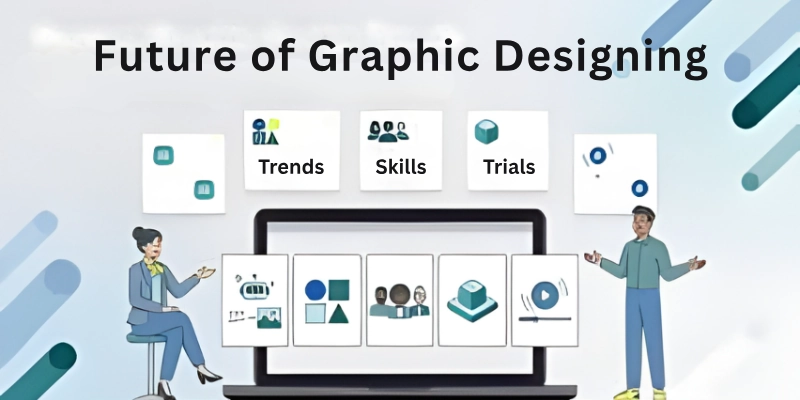
This demand shows that design is not dying. It is changing and growing. I also see beginners get paid for small projects once they learn how to use basic design tools. Clients want results more than fancy theory. The future of graphic designing rewards designers who stay consistent and keep improving. So let’s see how it will change for the future graphic designer.
How is Graphic Design Changing?
A common problem for beginners, but for learners, it can be new because, with the passage of time, everything is changing. So, graphic design is also changing in many ways, such as
- Design moves from print-based work to digital-first formats.
- Motion, 3D, and responsive layouts become normal.
- Brands need visuals that communicate fast and hold attention.
- Platforms like apps, social media, and VR influence design choices.
- Short attention spans shape colour, typography, and messaging styles.
- Updated tools make workflows faster and support creative testing.
- Design aligns more with brand strategy, marketing, and business goals.
It’s not enough to know how it is changing; what really matters is what changes will occur in the future if we have learned or learn these skills. Ready to know? Let’s see:
Graphic Designing Trends
If I talk about the world or a society, everyone follows trends, so these trends in graphics can also affect the future of graphic design, as listed and detailed below:
- Motion Graphics
- 3D Design
- Interactive Design
- AR and VR Experiences
- Bold Typography & Minimal Layouts
- Sustainable and Ethical Design
- Data-Driven
- Fast and Flexible Workflows
- Creative Tool Assistance
- Immersive Storytelling
Now see the short detail:
1. Motion Graphics
Motion design is now essential for social media, websites, and ads. Short animations, GIFs, and videos communicate ideas quickly and keep users engaged. Brands use motion graphics to tell stories in seconds, making content more memorable and interactive.
- Short animations and GIFs make content engaging.
- Videos explain complex ideas in seconds.
- These techniques keep visuals dynamic and memorable.
2. 3D Design
3D elements add depth and realism to products, packaging, and campaigns. Designers create visuals that look lifelike and interactive, allowing users to explore products from different angles. This trend helps brands stand out with rich, premium visuals.
- Users can explore products from different angles.
- Creates premium and eye-catching designs.
- Enhances digital campaigns with realistic visuals.
3. Interactive Design
Websites, apps, and e-commerce platforms increasingly rely on interactive elements. Clickable buttons, hover effects, and scroll-based animations guide users and make experiences more engaging. Interactive design keeps users exploring longer and improves user experience.
- Clickable buttons and menus keep users exploring.
- Scroll-triggered animations make the experience engaging.
- Increases user time on websites or apps.
4. AR and VR Experiences
Augmented and virtual reality expand the possibilities of design beyond flat screens. AR allows
users to try products virtually, while VR offers fully immersive brand experiences. This trend
challenges designers to combine creativity with technical digital skills.
- AR helps users visualize products in real space.
- VR creates fully immersive brand experiences.
- Designers combine creativity with digital skills.
5. Bold Typography & Minimal Layouts
Clear, bold fonts and minimal layouts help messages reach audiences quickly. Short text, strong contrast, and ample white space improve readability on mobile and digital platforms. This approach keeps visuals simple, yet powerful and effective.
- Strong typography highlights key messages.
- Minimal design reduces clutter and improves readability.
- White space and contrast guide the viewer’s focus.
6. Sustainable and Ethical Design
Eco-friendly materials, inclusive visuals, and honest messaging are growing priorities. Brands want designs that reflect social responsibility and conscious decision-making. Sustainability in design helps connect with modern audiences who care about ethics and the environment.
- Use of eco-friendly materials and digital-first formats.
- Inclusive visuals represent diversity and fairness.
- Honest messaging builds trust with audiences.
7. Data-Driven
Designers now rely on metrics, user behaviour, and analytics to make decisions. Every visual element supports marketing goals, builds brand identity, and drives engagement. Data-driven design ensures that creativity meets practical business outcomes.
- Visuals are planned using real user insights.
- Design supports engagement and conversions.
- Strategy ensures creativity meets business goals.
8. Flexible Workflows
Modern tools let designers create, test, and update content across multiple platforms quickly. Flexibility in workflows allows teams to respond to trends and client needs without compromising quality. Speed and adaptability are now critical for competitive design work.
- Rapid content creation without losing quality.
- Easy updates for multiple platforms.
- Supports experimentation and fast iteration.
9. Creative Tool Assistance
Advanced design software helps with repetitive tasks like resizing, colour correction, and layout testing. This allows designers to focus on concepts, storytelling, and unique visual styles. Tools enhance efficiency without reducing creativity.
- Automated resizing, colour correction, and layout adjustments.
- Focus on concept, storytelling, and style.
- Increases efficiency without reducing originality.
10. Immersive Storytelling
Visual storytelling combines motion, interactivity, and layered visuals to guide viewers. Designers create experiences that capture attention and leave a lasting impression. Immersive stories help brands connect emotionally with audiences.
- Combines animation, layered visuals, and interactivity.
- Guides viewers through a brand story.
- Builds emotional connection with audiences.
Trends set the direction, but skills determine your success. Know the skills needed for future graphic design. It’s time to see what skills will be important to learn for future graphic designers.
Best Graphic Skills for Future
Digital skills are many, but if we talk about the future in graphic design, these are important skills that can help in the future of graphics:
Tech Skills: AI Tools, VR Workflows, Motion Graphics
- Mastering AI tools, 3D software, and VR workflows allows designers to create interactive and immersive visuals.
- Motion graphics skills make content engaging across social media, websites, and digital campaigns.
- Technical proficiency ensures ideas are turned into professional, high-quality designs.
Soft Skills: Storytelling, Empathy-Based Design
- Storytelling helps designers craft visuals that guide users emotionally and logically.
- Empathy-based design ensures visuals meet user needs and create intuitive experiences.
- These skills make designs more meaningful, user-focused, and memorable.
Business Skills: Client Communication, Branding Strategy
- Clear communication ensures client expectations are understood and implemented correctly.
- Branding strategy knowledge allows designers to create visuals that match brand identity and marketing goals.
- Combining creativity with business understanding increases the value of design work.
Designers can stay ahead by continuously learning new skills, techniques, and design trends. The future of graphic design looks promising for those who keep improving. Common challenges will be faced by the best graphic designers. Now we know about the challenges, which are given below.
Challenges in Future
The changes in the future of graphic designers can be helpful, but after the challenges they may face in their work, let’s see.
- Changing Technology: Tools, software, and platforms evolve fast, and designers must learn continuously to stay relevant.
- High Competition: More people are entering the field, making it harder to stand out without strong skills.
- Creativity and Speed: Clients often demand quick results, which can limit creative freedom.
- Keeping Up with Trends: Trends in graphics and user expectations change constantly, and outdated skills or styles can reduce opportunities.
- Ethical Design: Designers are expected to create visuals that are environmentally friendly, inclusive, and responsible, which increases complexity.
Designers will face challenges that test their skills, creativity, and adaptability in the years to come. So this was the future of graphic design, according to my point of view; now we have reached its end.
Conclusion
In this guide, we have discussed the future of graphic designing and the skills needed to succeed. Every designer will face challenges, like balancing client demands and staying updated with new trends.
I recommend focusing on learning consistently, practicing your skills daily, and applying creativity while being mindful of limitations. By doing this, you can manage risks while keeping your work fresh and relevant.
Thank you for your time. You can skip the upcoming FAQs if you don’t want the important answers to some FAQs.
FAQs
Most frequently asked questions that may come to your mind about the future of a graphic designer.
Yes, the graphic design industry is growing rapidly. Digital marketing, social media, and online branding create constant demand for skilled designers. This growth means there are more opportunities for freelancers, startups, and full-time designers.
Designers need a mix of technical, creative, and business skills. Learning motion graphics, 3D design, and interactive layouts will keep you relevant. Soft skills like storytelling and client communication are equally important to succeed.
Innovation in graphic design allows designers to create unique, interactive, and immersive experiences. It helps brands stand out and attracts new clients. Staying updated with innovative tools and trends ensures long-term success.
Yes, graphic design is in demand even for beginners. Small businesses and startups need fresh visuals for social media, websites, and marketing campaigns. With the right skills, beginners can start earning quickly while building a strong portfolio.
Reading industry updates, attending workshops, and following design blogs help you stay informed. Explore tutorials and online courses to practice new tools. Regular learning ensures you stay ahead of trends and opportunities.
Reliable graphic design articles are available on design blogs, official software websites, and educational platforms. They cover the latest trends, tools, and case studies. Following these sources helps you make informed decisions about your skills and career.
Designers may face challenges like fast-changing technology, tight deadlines, and high competition. Balancing creativity with client expectations can also be tricky. Overcoming these challenges requires adaptability, continuous learning, and effective workflow management.

- Be Respectful
- Stay Relevant
- Stay Positive
- True Feedback
- Encourage Discussion
- Avoid Spamming
- No Fake News
- Don't Copy-Paste
- No Personal Attacks
- Be Respectful
- Stay Relevant
- Stay Positive
- True Feedback
- Encourage Discussion
- Avoid Spamming
- No Fake News
- Don't Copy-Paste
- No Personal Attacks
