Content Writing vs Creative Writing: Simple Comparison Guide
Published: 7 Mar 2026
Many new writers struggle to understand content writing vs creative writing. They want to start writing online but do not know which style fits their skills. Some try blog writing and feel it is less creative. Others write stories but cannot turn that skill into online work.
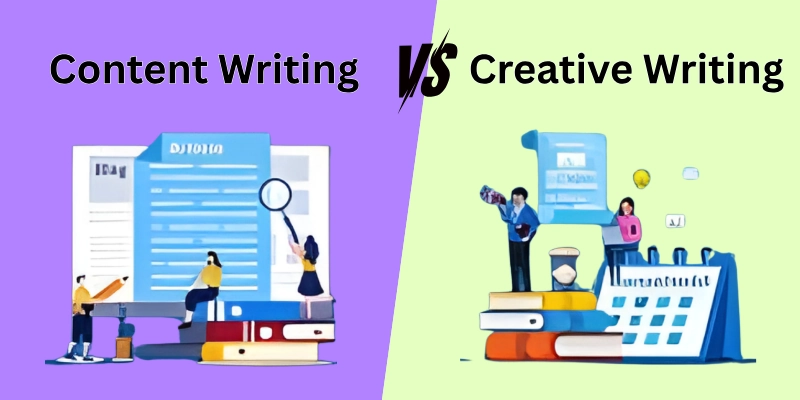
I see this problem often when people start learning digital writing skills. Many beginners waste time because they follow the wrong writing path. Some even quit early because they think writing is not for them. The right knowledge can save a lot of time and effort, which I will guide you in this blog.
Overview of Both
What is content writing?
Content writing focuses on creating clear and useful information for online readers. Writers produce blog posts, website pages, guides, and marketing content to inform. These help the audience to solve a problem. It suits people who enjoy research, structured writing, and working with digital platforms.
Examples: blog articles, website landing pages, and product descriptions.
What is creative writing?
Creative writing focuses on storytelling and imagination. Writers create novels, short stories, poems, or scripts to express ideas, emotions, or fictional events. It suits people who enjoy building characters, exploring ideas, and writing with artistic freedom.
Examples: short stories, poems, and movie scripts.
Differences between Content Writing and Creative Writing
Writing comes in many forms, but the two main types are content writing and creative writing. Both involve words, but they serve different goals.
- Purpose
- Audience Focus
- Writing Style
- Structure
- Research Level
- SEO & Online Research
- Career Opportunities
- Writing Process
- Reader Expectations
- Learning Path
These differences can help you decide which style fits your skills and purpose. Let’s see.
1. Purpose
Both writing styles exist for different reasons. One focuses on sharing useful information, while the other focuses on storytelling and ideas. If you want to inform readers, content writing fits better. If you enjoy storytelling, creative writing is a better fit.
Content Writing
- Delivers helpful information to readers.
- Explains topics, tools, or services clearly.
- Supports marketing or educational goals.
- Helps readers solve a problem quickly.
Creative Writing
- Shares stories and imaginative ideas.
- Expresses emotions and personal thoughts.
- Focuses on entertainment or inspiration.
- Builds imaginary worlds and narratives.
2. Audience Focus
Every piece of writing speaks to a reader. The type of reader changes how the writer plans the content. If you like writing for a clear audience need, choose content writing. If you prefer reaching story lovers, creative writing fits.
Content Writing
- Targets a specific reader group.
- Writers study user questions before writing.
- Content answers search queries online.
- Topics match the reader’s needs or problems.
Creative Writing
- Attracts readers who enjoy stories.
- The audience may vary widely.
- Readers follow the story rather than search intent.
- Interest grows through characters and plots.
3. Writing Style
The way words appear on the page can feel very different. One style stays clear and direct, while the other allows more expression. Simple communication favours content writing, while expressive language suits creative writing.
Content Writing
- Uses simple and direct language.
- Focus stays on clarity and usefulness.
- Sentences explain ideas quickly.
- Tone often remains informative.
Creative Writing
- Uses expressive and descriptive language.
- Sentences create mood and imagery.
- Writers experiment with voice and tone.
- Style reflects the writer’s creativity.
4. Structure
The layout of writing helps readers understand it easily. Each writing style follows a different way to organize ideas. Organized formats belong to content writing, while a flexible structure suits creative writing.
Content Writing
- Follows a clear format.
- Uses headings and subheadings.
- Short paragraphs improve readability.
- Lists help readers scan information.
Creative Writing
- Structure depends on the story.
- Writers may use scenes or chapters.
- Flow focuses on character development.
- The format changes with each story.
5. Research Level
Some writing depends on facts and sources. Other writing grows more from imagination and personal ideas. Research plays a strong role in content writing, while imagination drives creative writing.
Content Writing
- Writers collect facts before writing.
- Sources support information accuracy.
- Data improves reader trust.
- Research shapes the article topic.
Creative Writing
- Writers rely more on imagination.
- Personal ideas guide the story.
- Research appears only when needed.
- Creative thinking drives the process.
6. SEO & Online Search
Online articles often follow search rules. Story writing usually does not depend on search engines. Content writing suits online publishing, while creative writing focuses on literary expression.
Content Writing
- Writers use keywords for visibility.
- Articles target search engine results.
- SEO improves website traffic.
- Formatting supports search ranking.
Creative Writing
- Stories rarely follow SEO rules.
- Writers focus on narrative quality.
- Publishing often happens in books or magazines.
- Search ranking does not guide the writing.
7. Career Opportunities
Many people choose a writing style based on work options. Each path offers different ways to build a career. Content writing offers more online job options, while creative writing fits artistic careers.
Content Writing
- Companies hire writers for websites and blogs.
- Freelancers work with digital businesses.
- Demand grows with online marketing.
- Writers can build a stable online career.
Creative Writing
- Writers publish novels or short stories.
- Some work in film or script writing.
- Income may depend on publishing success.
- Many writers treat it as an artistic career.
8. Writing Process
The way writers create their work can change from one style to another. Some projects move quickly, while others take time to develop. Fast, structured work fits content writing, while slow, creative development fits creative writing.
Content Writing
- Writers follow a planned outline.
- Editing focuses on clarity and accuracy.
- Work often follows deadlines.
- Topics change frequently.
Creative Writing
- Writers develop ideas slowly.
- Drafts evolve through creative exploration.
- Editing focuses on story flow.
- Projects may take longer to finish.
9. Reader Expectation
Readers open different types of writing with different hopes. Some look for answers, while others look for a good story. Readers seek solutions in content writing and entertainment in creative writing.
Content Writing
- Readers expect clear answers.
- Information must stay practical.
- Readers value useful tips.
- Content should save the reader time.
Creative Writing
- Readers expect engaging stories.
- Emotions and imagination attract attention.
- Characters create a connection.
- The action keeps readers interested.
10. Learning Path
Every writer improves with practice. The skills needed for these two styles grow in different directions. Skill growth in content writing focuses on clarity and strategy, while creative writing focuses on storytelling ability.
Content Writing
- Beginners learn through research and practice.
- Understanding audience needs helps improve.
- Writers improve with SEO knowledge.
- Practice builds clarity and speed.
Creative Writing
- Writers develop storytelling skills.
- Character building improves with practice.
- Writers refine story techniques over time.
- Creativity grows through reading and writing.
Now you see the differences. Ready to see how a quick comparison of each type makes it easy to understand? Let’s explore the abilities that set content writers and creative writers apart.
Comparison Table: Content Writing vs Creative Writing
Want to see the differences at a glance? This quick table makes it easy to compare content writing and creative writing side by side.
| Key Aspect | Content Writing | Creative Writing |
|---|---|---|
| Goal | Share information and solve problems | Tell stories and express ideas |
| Topics | Practical subjects like blogs or guides | Imagination, emotions, or fiction |
| Tone | Clear, professional | Expressive, emotional, or playful |
| Skills Needed | Research, clarity, audience understanding | Imagination, storytelling, character development |
| Editing Focus | Accuracy, readability, clarity | Plot, flow, and emotional impact |
| Reader Expectation | Solutions, tips, or guidance | Entertainment, inspiration, or emotions |
| Work Style | Deadlines and structured workflow | Flexible pace, self-driven projects |
| Outcome | Inform, educate, or promote | Inspire, entertain, or evoke feelings |
After exploring all the differences, it’s time to see which writing style fits you best, according to me, in the end.
Conclusion
When looking at the comparison of content writing vs creative writing, it’s clear that one focuses on clarity and usefulness, while the other focuses on creativity and expression. Each comes with risks: content writing may limit creativity, and creative writing may take longer to succeed.
You can manage this by mixing both approaches, setting deadlines, and keeping your audience in mind. Finding the right balance makes writing both successful and enjoyable. I appreciate your time and wish you success on your writing journey.
Still have questions about content writing vs creative writing? Here’s a handy guide of FAQs to clear doubts fast.
FAQs
Let’s go through the top questions about content writing vs creative writing.
Content writing focuses on giving information, tips, or guides for readers online. Creative writing is about storytelling, imagination, and emotions. This difference helps beginners choose the right writing path.
When starting an article in creative writing, pick a topic that excites you and outline your main idea. Use engaging language to keep readers interested. Focus on making your story or concept clear and fun.
Creative writing is writing for art, storytelling, and personal expression, rather than just facts or guides. It’s not about giving information or instructions. It’s about entertaining, inspiring, or connecting with readers through things like novels, short stories, poems, or scripts.
Keywords in creative writing are less strict than in content writing but can help your stories or blogs get noticed online. Use them naturally in titles or short descriptions. Don’t force them into the story, as flow matters more.
For content writing, research, clarity, and SEO understanding are key skills. For creative writing, storytelling, imagination, and character-building are essential. Learning the right skills for your chosen path improves your writing quality.
Content writing is easier for those who like clear structure, research, and direct communication. Creative writing can feel harder because it relies on imagination and storytelling. Choosing depends on your natural skills and interests.


- Be Respectful
- Stay Relevant
- Stay Positive
- True Feedback
- Encourage Discussion
- Avoid Spamming
- No Fake News
- Don't Copy-Paste
- No Personal Attacks
- Be Respectful
- Stay Relevant
- Stay Positive
- True Feedback
- Encourage Discussion
- Avoid Spamming
- No Fake News
- Don't Copy-Paste
- No Personal Attacks
